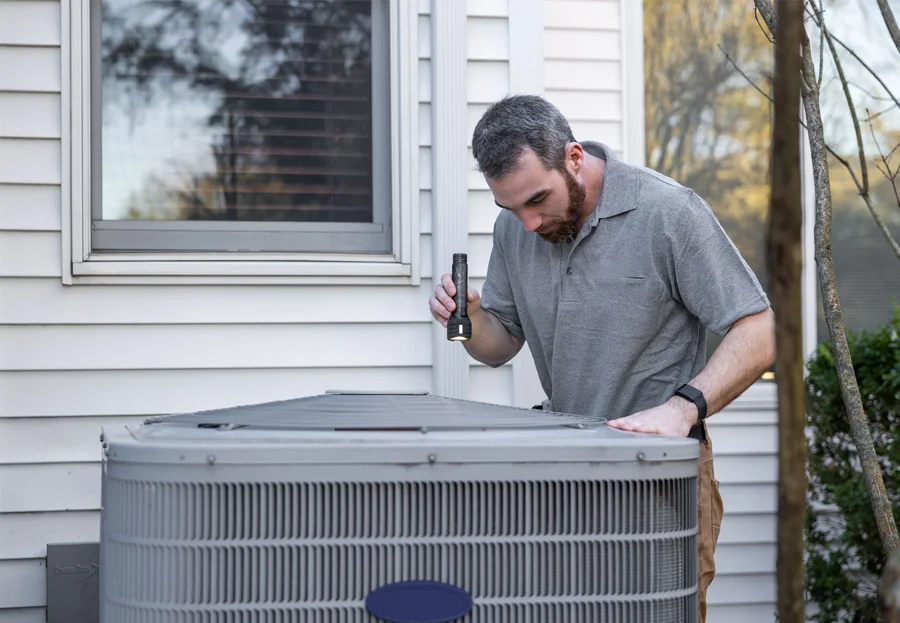
Home appraisal vs. home inspection is one of the most common questions homeowners ask when buying, selling, or refinancing a home. While both involve evaluating a property, they serve different purposes. A home appraisal determines a property's market value, while a home inspection evaluates its condition and identifies potential concerns. Understanding the difference helps you make informed decisions throughout your real estate transaction.
Let’s Talk Value! The Expert Appraisers’ Blog
How to Appeal Your Property Tax Assessment in Virginia and North Carolina with a Home Appraisal
How to Appeal Your Property Tax Assessment in Virginia and North Carolina with a Home Appraisal
If your city or county valued your home or land higher than expected, you may be able to appeal your property tax assessment and use an independent appraisal as evidence. Keep in mind, you are challenging your tax valuation, not the tax rate. A successful appeal may lower your bill, but it does not change that tax rate.
The terminology varies by state. Virginia localities commonly use assessed value. North Carolina counties may also use appraised value, reappraisal, or revaluation. Here, tax valuation means the value assigned for property tax purposes. An independent appraisal provides documented evidence for the applicable assessment date.
Every locality sets its own process and deadlines. Therefore, contact the assessment office first. Then allow Hampton Roads Valuations enough time to complete the appraisal before your evidence is due.
If you have questions about a home appraisal, don’t hesitate to give our team a call. (757) 217-3660
In This Guide
Use these links to jump to the section that interests you!
>> A Home Appraisal can help You Appeal Your Property Tax Assessment
>> When to appeal your property tax assessment
>> Steps in the property tax assessment appeal process
>> How appeals work in Virginia and North Carolina
>> How a home appraisal supports your appeal
Can a Home Appraisal Help You Appeal Your Property Tax Assessment?
Yes. A home appraisal can support a property tax assessment appeal by providing an independent opinion of market value based on the individual property and relevant market data.
City and county assessors value many properties at once, often using mass appraisal methods and broad market data. In contrast, an independent real estate appraiser focuses on your property’s condition, location, features, land, and comparable sales.
If the independent appraised value is lower than the tax valuation, the appraisal may provide documented evidence for review. However, the appeal authority makes the final decision. An appraisal does not guarantee a reduction.
If you have a question about How to Appeal Your Property Tax Assessment with a Home Appraisal, give our appraisal team a call. (757) 217-3660
When Should You Appeal Your Property Tax Assessment?
It may be worth reviewing your property tax assessment when the city or county’s tax valuation appears to exceed market value, the property record contains errors, or similar properties appear to receive unequal treatment.
Look more closely at your assessment when:
- The record shows the wrong square footage, acreage, number of rooms, or property features.
- The assessment does not reflect significant condition problems.
- Recent comparable sales suggest a lower market value.
- Similar properties appear to receive substantially different treatment.
- Easements, access issues, wetlands, flood exposure, or other limitations affect the property.
- The assessor grouped your property with homes or land that are not truly comparable.
Local details can make a real difference. For example, homes on the Chesapeake Bay in Virginia Beach, VA may differ in water access, flood exposure, or site characteristics. Likewise, public records may not show deferred maintenance in a Ghent home in Norfolk, VA. Acreage in Suffolk, VA or Currituck County, NC may vary in access, wetlands, and usable land.

How to Appeal Your Property Tax Assessment in Six Steps
To appeal your property tax assessment, review your notice, confirm the deadline, check the property record, contact the assessment office, gather market evidence, and file the required appeal.
- Review the assessment notice. Confirm the tax valuation, effective date, property information, and instructions.
- Check the deadline immediately. Appeal windows can be short. In addition, localities may set different deadlines for informal reviews and formal hearings.
- Verify the property information. Check the square footage, acreage, condition, and improvements.
- Speak with the assessment office. Sometimes the office can explain the value or correct a factual error through an informal review.
- Gather relevant evidence. This may include photographs, repair estimates, comparable sales, surveys, and an independent appraisal.
- File the appeal. Follow the required format, submit everything on time, and explain why the tax valuation does not reflect market value.
Before ordering an appraisal, confirm the required valuation date and acceptable evidence. A current appraisal may not address an earlier date. Hampton Roads Valuations can help determine whether an appraisal fits the property and intended use. However, first confirm the appeal requirements with your locality.
Before your filing deadline, call Hampton Roads Valuations at (757) 217-3660
How Property Tax Assessment Appeals Differ in Virginia and North Carolina
Virginia and North Carolina follow different appeal procedures and terminology. In both states, confirm the deadline, valuation date, and acceptable evidence.
How Property Tax Assessment Appeals Work in Virginia
In Virginia, property owners generally begin with the local real estate assessor and may pursue a formal appeal through a Board of Equalization.
The process depends on the locality. Virginia Beach, VA uses a Request for Reappraisal. Norfolk, VA offers an informal appeal before the formal board process. Chesapeake, VA and Suffolk, VA also use local reviews and Boards of Equalization.
Virginia law places the burden on the owner to challenge the assessment with evidence. Therefore, saying the bill feels too high does not prove the tax valuation is wrong. Focus on market value, factual errors, unequal treatment, and evidence.
How Property Tax Appeals Work in North Carolina
In North Carolina, property owners often start with an informal county review and may then appeal to the county Board of Equalization and Review.
North Carolina counties may call the tax valuation assessed value or appraised value. They also use reappraisal and revaluation. After an informal review, an owner may request a Board of Equalization and Review hearing. An eligible appeal may later reach the North Carolina Property Tax Commission. The North Carolina Department of Revenue explains the general appeal process.
Currituck County, NC, Camden County, NC, Pasquotank County, NC, and other Northeastern, NC counties set their own deadlines. Therefore, confirm the valuation date with the county tax office. At the Property Tax Commission level, an appraisal effective January 1 of the county’s last appraisal year may provide relevant evidence.
Property owners in Elizabeth City, NC and throughout Pasquotank County, NC will face a higher county property tax rate in fiscal year 2026-27. The approved 5-cent increase raises the rate from $0.62 to $0.67 per $100 of taxable value. You cannot challenge the tax rate through a property tax assessment appeal. However, if you believe the county valued your property too high, you may be able to appeal that tax valuation.
How Does a Home Appraisal Support a Property Tax Assessment Appeal?
A home appraisal supports an appeal by connecting the property’s individual characteristics to relevant market data and a well-supported opinion of value.
The independent real estate appraiser may inspect the property, verify its characteristics, study comparable sales, and analyze condition, improvements, external influences, waterfront features, or acreage.
This analysis matters when a mass assessment misses an unusual feature. Two Virginia Beach, VA waterfront homes may look similar in public records. However, deep-water access, views, site elevation, or condition may affect market value.
Hampton Roads Valuations must remain independent. The appraisal will reflect the market evidence, even if it supports the existing tax valuation. This objective approach gives the reviewing authority credible evidence.
For more background, read our blog, Market Value vs Assessed Value vs Appraised Value.
Can You Appeal a Tax Assessment for Vacant Land or Acreage?
Yes. You can appeal a land assessment when credible evidence indicates that the city or county’s tax valuation does not reflect the land’s market value or individual limitations.
An independent land appraisal may help owners, investors, and builders evaluate:
- Total acreage and usable acreage
- Road and legal access
- Available utilities
- Zoning and permitted uses
- Wetlands, flood exposure, and topography
- Easements or other restrictions
- Development potential
- Comparable land sales
These issues matter in places like Elizabeth City, NC, Currituck County, NC, Pasquotank County, NC, Chesapeake, VA, and Suffolk, VA. Two parcels with similar acreage may have very different uses. Therefore, the appraiser analyzes how buyers respond to each property’s characteristics.
Learn more about Hampton Roads Valuations’ real estate appraisal services for homes, land, and complex properties.
Frequently Asked Questions About Property Tax Assessment Appeals
These answers address questions from property owners who believe a city or county valued their home or land too high.
Can a home appraisal lower your property taxes?
An appraisal cannot directly lower your taxes. However, it may support an appeal of the tax valuation. If the authority reduces that value, your bill may decrease after the locality applies its tax rate.
Do you need an appraisal to appeal your property tax assessment?
Not every appeal requires an appraisal. The assessment office may correct a factual error. However, an appraisal may provide stronger evidence for disagreements involving market value, condition, unusual features, land, or comparable properties.
What is the difference between assessed value and an independent appraised value?
Virginia localities generally call the tax valuation assessed value. North Carolina counties may call it assessed or appraised value. In contrast, an independent appraiser develops an opinion of market value for a specific purpose and date.
Can your assessed value increase after an appeal?
It may. Depending on local rules and evidence, the authority may reduce, confirm, or increase the tax valuation. Therefore, review the property information and likely market value before filing.
Can you use a recent mortgage appraisal for a property tax appeal?
Possibly. However, a mortgage appraisal answers a lending question. A tax appeal may require a different valuation date, scope of work, report type, or intended use.
What effective date should a property tax appeal appraisal use?
The correct date depends on the assessment year, locality, and appeal level. Ask the appropriate office or board which date applies before ordering the appraisal.
Can you appeal a tax assessment on vacant land?
Yes. Owners, investors, and builders can appeal land assessments. Evidence may address comparable sales, access, utilities, zoning, wetlands, flood exposure, easements, usable acreage, and development potential.
Can you appeal property tax rates or only the tax valuation?
You can appeal the tax valuation, but not the local tax rate. The government applies that rate when calculating the bill. An appeal also does not waive filing requirements or guarantee a reduction.
When should you contact a real estate appraiser about an assessment appeal?
Contact an appraiser after identifying a possible value problem and confirming the deadline. Starting early allows time to confirm the effective date, inspect the property, research the market, and complete the appraisal report.
Questions About Using an Appraisal for a Property Tax Appeal?
Hampton Roads Valuations provides independent appraisals for homeowners, landowners, investors, and builders throughout Hampton Roads, VA and Northeastern, NC. Our certified appraisers understand local homes, waterfront properties, acreage, and complex properties.
If an appraisal can support your property tax assessment appeal, call (757) 217-3660 or contact Hampton Roads Valuations. You can also order an appraisal. First, confirm the deadline and requirements with your city or county. Then we can help you determine the next step.
📞 If an appraisal can support your property tax assessment appeal, call Hampton Roads Valuations. (757) 217-3660 You can also order an appraisal online.
First, confirm the deadline and requirements with your city or county. Then we can help you determine the next step.
Related Posts